slot777 tergacor

Blog

  • The Age of Analytics

    The Age of Analytics

    Data stands at the foundation for the future of healthcare as a valuable resource, with the boundless potential to alter the way healthcare is created, reviewed and delivered.

    Experiencing a paradigm shift of rapid change, Asia’s healthcare is entering a digital healthcare system that will supersede its predecessor of the 4.0 industry. Soon to outpace Europe as the second-largest regional market by 2023, Asia is developing into a major growth engine behind global healthcare, according to a report by McKinsey & Company.
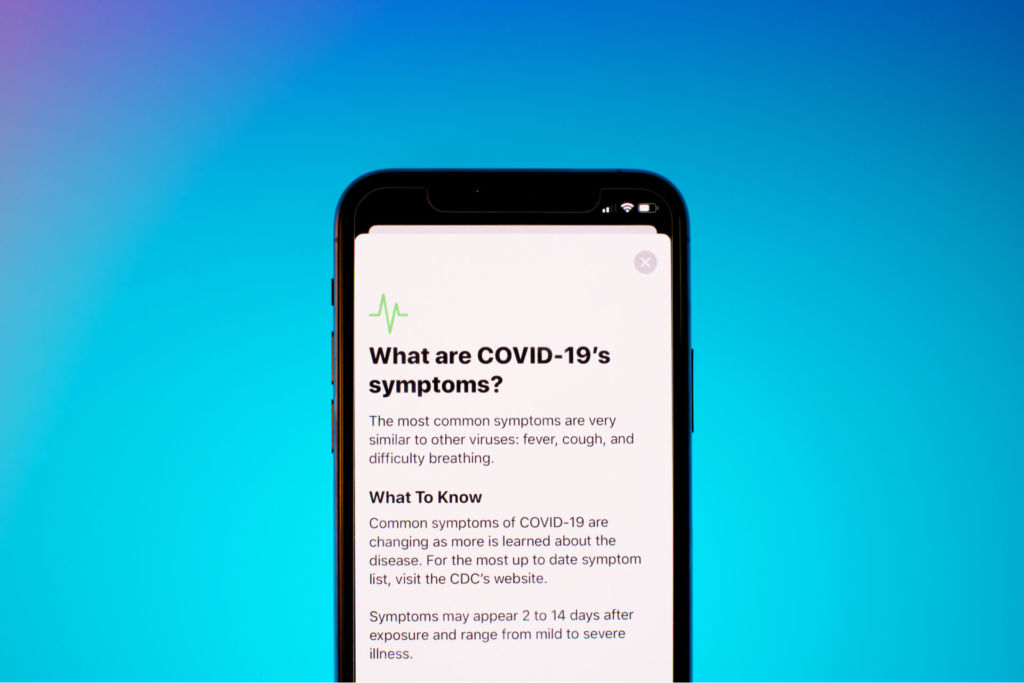
    Amid an external environment that is both challenging and complex, the region’s evolving medical needs stem from its geography and economic climate, a backdrop with the presence of infectious tropical diseases and multiplying chronic ailments. However, supplying adequate healthcare remains a key challenge in this diverse region, with its delivery ranging from world-class hospitals in Singapore and Bangkok, to crowded medical facilities in other less-developed countries. Quality healthcare requires the adoption of modern medical technology, or medtech. As such, optimally designed hospitals need to accommodate the utilisation of complex equipment to address human error and mechanical failure, while also stabilising the overwhelming ratio of patients to medical professionals.

    Built for Mobility

    Aside from its role in industrial sectors, exoskeletons have grown into its own space in the medical sector, becoming a viable source in both treating and countering conditions such as Parkinson’s disease, multiple sclerosis, spinal cord injury, and stroke which can hinder mobility among patients. The assistance of medical exoskeletons not only benefits patients, but aids in attending to the unintended strains of such conditions like fatigue and overexertion among healthcare workers as well. Reducing work-related injuries, and its consequential care, the growth of exoskeletons in the medical sector is expected to reach USD 578 million by 2024.

    Access to Quality Air

    The acute respiratory distress syndrome (ARDS) is common among critically ill patients, closely associated with acute respiratory failure, limited quality of life, and high mortality. ARDS occurs most often in the setting of pneumonia, sepsis, aspiration of gastric contents or severe trauma with an incidence among patients admitted to the intensive care unit (ICU) as high as 10 percent. Out of necessity, hospitals all around the world require mechanical ventilation for its treatment of ARDS, specifically demanding an accurate concentration of purified medical air.

    Wear and Sync Data

    There are currently about 800 million people with high blood pressure worldwide. According to the World Health Organisation (WHO), studies indicate that in North America, Western Europe, and the Asia-Pacific region, lowering of systolic blood pressure can reduce the risk of stroke of approximately by one third, in people aged 60 to 79 years. Since the invention of its first blood pressure monitors over 40 years ago, Omron Healthcare has been championing the change in the how blood pressure monitors are perceived with the first wearable oscillometric blood pressure monitor, HeartGuide.

  • Daily Routine for a Healthy Life

    Daily Routine for a Healthy Life

    Finding and adopting the right daily routine will re-energize you and help you regain wasted time. Your mind and body will thank you for the decreased anxiety and extra care you’ve given it. Here’s to a healthier, calmer, and higher-achieving you.

    It takes time to become the best version of yourself but I’ll help you to make it easier by getting you a few healthy daily routine examples to follow directly:

    • Daily routine for good health and more energy
    • Daily routine for an organized life
    • Daily routine for more productive work
    • Daily routine for a stronger relationship

    Pick one routine to stick to first

    And, then gradually combine one more routine to fit into your life each week. In less than 2 months, you will be living a healthy and successful lifestyle in autopilot.

    Morning Routine

    1. Start your day with a glass of lemon water

    Simply add the juice of half a lemon to your glass and drink it to enjoy a refreshing start to the day.

    Lemon juice reduces your body’s acidity levels, which in turn protects you against inflammatory diseases such as fungal infections and osteoporosis.

    2. Exercise

    Working out early in the morning improves your energy levels, improves your circulation, and encourages good lymphatic function. Just 20 minutes every day can make a difference! Mix up cardio and weights throughout the week for all-over toning and general health.

    Getting on the scale each morning is also an effective way to monitor your weight. Don’t go weeks without weighing yourself, because this allows you to remain in denial about any weight gain!

    3. Eat a good breakfast

    Fuel yourself with a healthy mix of protein, slow-release carbohydrates, vitamins and minerals. Sensible options include yogurt with nuts and berries, a vegetable omelette, and low-sugar granola bars with a piece of fruit.

    4. Stay hydrated and snack smart

    Did you know that becoming even slightly dehydrated can lead to lowered mood and decreased concentration? Keep water or other low-sugar drinks on hand to sip throughout the day.

    When it comes to snacking, pick foods that will give you a slow release of energy. Pairing a protein with a complex carbohydrate is a smart choice. For example, try half an apple spread with peanut butter.

    Afternoon Routine

    1. Get a healthy lunch

    Even the busiest of us can grab a healthy lunch. You just need to think ahead!

    Avoid too much fat at lunch time, as it promotes afternoon lethargy, which isn’t going to help you get through a busy day!

    2. Take some mid-afternoon exercise

    Most of us have a mid-afternoon “slump” somewhere between 2 p.m and 4 p.m, but you can keep yourself going through the day by choosing a healthy lunch and taking some moderate exercise in the afternoon. This doesn’t have to strenuous. Just a 10-minute walk and a few stretches at your desk can work wonders.

    Evening Routine

    1. Dinner

    You organize your grocery list so that you always have the right ingredients to hand. Be realistic – choose something that doesn’t require a lot of time or effort to throw together, otherwise you may resort to takeout.

    Green vegetables are always a great choice, as they are packed with antioxidants and have an alkalinizing effect. Choose plant-based proteins such as tofu or seitan or, if you prefer animal protein, pick fish and lamb rather than beef or chicken to minimize acidity levels in the body.

    2. Take time to relax

    It’s normal to feel stressed from time to time, but high stress levels leave you vulnerable to a number of health conditions and problems including depression and elevated blood pressure.

    Find a healthy activity that relaxes you, then set aside some time every day to do it! This could be journaling reading an inspiring book, spending time with a pet meditating, or simply taking a few minutes to remind yourself of everything that is going well in your life.

  • Take care of your body & health

    Take care of your body & health

    Poor health habits can add stress to your life and also play a role in how well you are able to cope with stress. The stress that comes from poor health is significant. Health challenges also affect other areas of your life. Health problems can make daily tasks more challenging, create financial stress, and even jeopardize your ability to earn a living.

    Healthy Diet for the Right Reason

    Rather than eating right solely for the promise of looking better in your jeans, you should also make a commitment to eating foods that will boost your energy levels and keep your system running smoothly. This is because what you eat can not only impact your short-term and long-term health, it can affect your stress levels.

    Another reason it’s a good idea to maintain a healthy diet is that your diet can have an effect on your mood.3 While the effects of an unhealthy diet are cumulative and become more apparent in the long-term, you are also less likely to feel well in the short-term if you are eating a diet heavy on sugar-laden, fatty, or nutritionally empty foods.

    Some of the more immediate effects poor diet include feeling:

    • Lethargic
    • Jittery
    • Moody
    • Fatigued
    • Hungry
    • Weak

    Eating well has important long-term consequences, but it may also help you feel more energetic and optimistic in the short-term as well

    Make Sleep a Priority

    Sleep can have a serious impact on your overall health and well-being. Make a commitment to get enough sleep at night. If you haven’t gotten adequate sleep, you may be less productive, less mentally sharp, and otherwise more prone to the effects of stress.

    Some good habits that can help:

    • Try to get a full eight hours of sleep each night
    • Avoid caffeine after 2 pm
    • Avoid eating foods in the evening that might disrupt your sleep
    • Go to bed at the same time each night; wake up at the same time each morning
    • Create a restful sleep environment; make sure your bed is comfortable and keep the room at an optimal temperature for sleeping (between 60 and 67 degrees Fahrenheit)
    • Adopt a calming technique such as meditation to help yourself relax each night before bed

    Fitness Habit

    We’ve all heard the advice to eat right and exercise, but it can be difficult to fit in workouts around a busy schedule, particularly when you’re feeling exhausted from stress. One effective strategy for making fitness a regular part of your life is to build an exercise habit around your other habits-either attach a workout to your morning routine, your lunchtime habits, or make it a regular part of your evening-you get the idea

  • When and how to use masks

    When and how to use masks

    When to use a mask

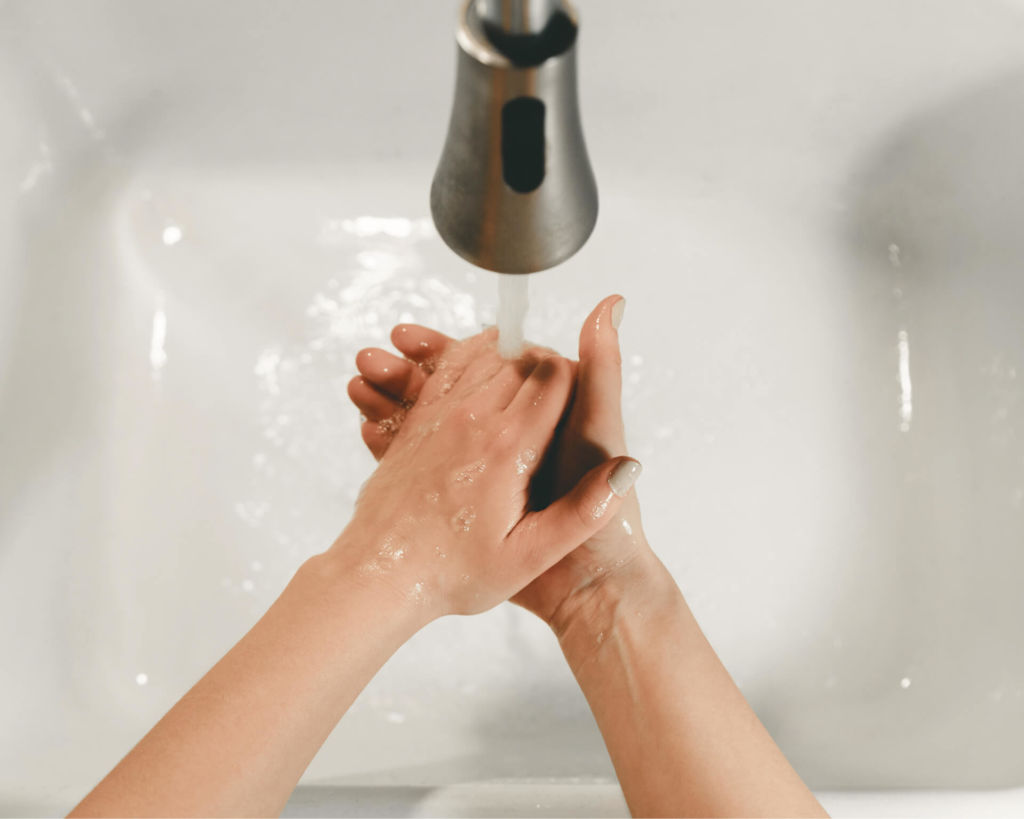
    • Before putting on a mask, clean hands with alcohol-based hand rub or soap and water.
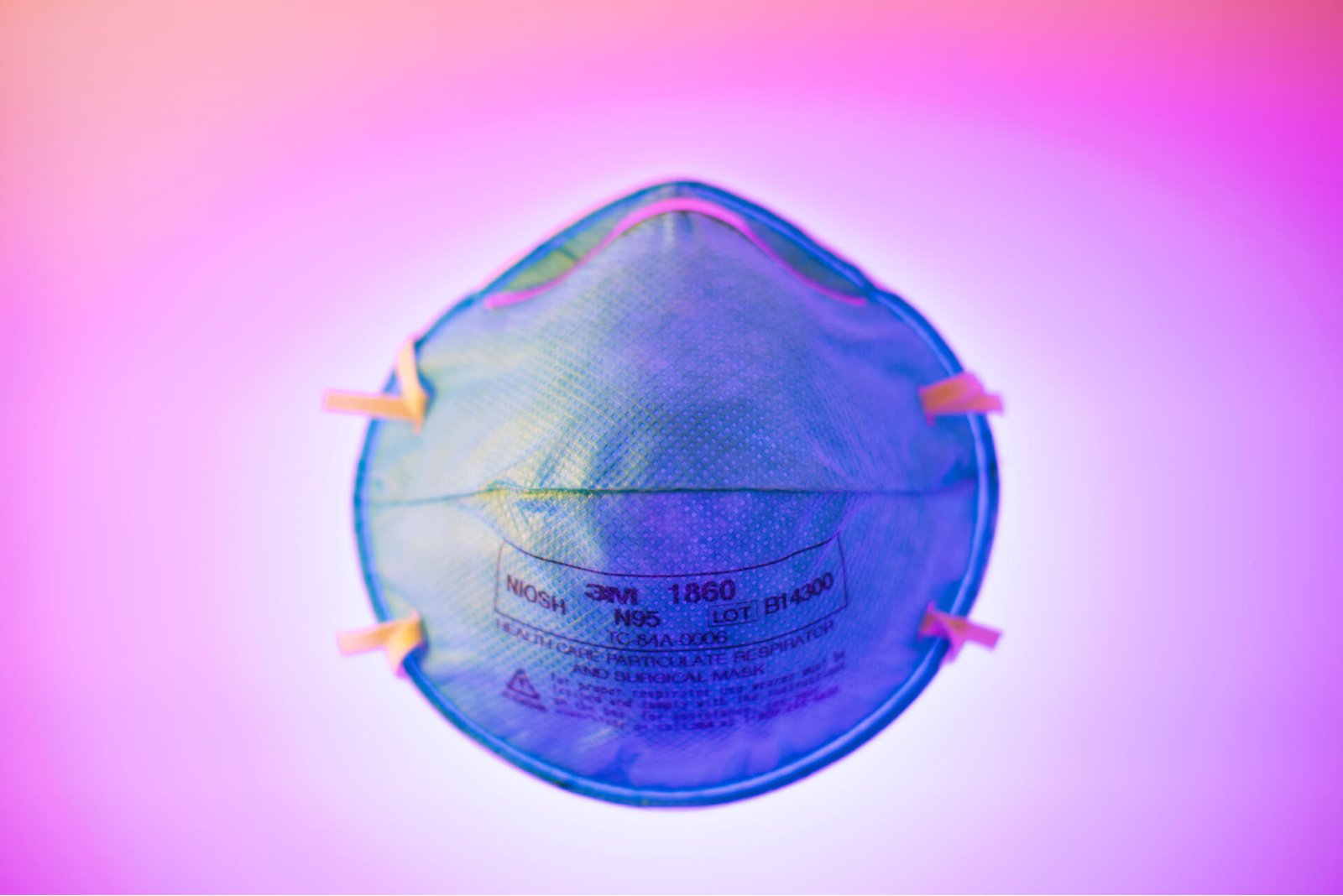
    • Cover mouth and nose with mask and make sure there are no gaps between your face and the mask.
    • Avoid touching the mask while using it; if you do, clean your hands with alcohol-based hand rub or soap and water.
    • Replace the mask with a new one as soon as it is damp and do not re-use single-use masks.
    • To remove the mask: remove it from behind (do not touch the front of mask); discard immediately in a closed bin; clean hands with alcohol-based hand rub or soap and water.

    How to wear medical masks

    • If you are healthy, you only need to wear a mask if you are taking care of a person with COVID-19.
    • Wear a mask if you are coughing or sneezing.
    • Masks are effective only when used in combination with frequent hand-cleaning with alcohol-based hand rub or soap and water.
    • If you wear a mask, then you must know how to use it and dispose of it properly.

    Can a face mask protect me from coronavirus? Covid-19 myths busted

    However, masks will probably make little difference if you’re just walking around town or taking a bus so there is no need to bulk-buy a huge supply.

    Wearing a face mask is certainly not an iron-clad guarantee that you won’t get sick – viruses can also transmit through the eyes and tiny viral particles, known as aerosols, can penetrate masks. However, masks are effective at capturing droplets, which is a main transmission route of coronavirus, and some studies have estimated a roughly fivefold protection versus no barrier alone (although others have found lower levels of effectiveness).

    If you are likely to be in close contact with someone infected, a mask cuts the chance of the disease being passed on. If you’re showing symptoms of coronavirus, or have been diagnosed, wearing a mask can also protect others. So masks are crucial for health and social care workers looking after patients and are also recommended for family members who need to care for someone who is ill – ideally both the patient and carer should have a mask.

Select the fields to be shown. Others will be hidden. Drag and drop to rearrange the order.
  • Image
  • SKU
  • Rating
  • Price
  • Stock
  • Availability
  • Add to cart
  • Description
  • Content
  • Weight
  • Dimensions
  • Additional information
Click outside to hide the comparison bar
Compare